Table Management Systems: How to Increase Revenue by 15% with Better Floor Control
Effective table management is the difference between a smooth dinner service and chaos. Modern table management systems help you optimize your floor, improve table turnover, and increase revenue by 15-20% without hiring additional staff.
The Cost of Poor Table Management
Common Problems: - Double-seating tables - Long wait times - Underutilized tables - Poor server section balance - No-show reservations
Impact: Poor table management can reduce revenue by 10-15% during peak hours.
How Table Management Systems Work
Modern systems provide real-time visibility of your entire floor.
Key Features: - Visual floor plan with table status - Real-time table status updates - Reservation management - Waitlist with SMS notifications - Server section assignment - Turn time tracking
Impact: Table management systems increase revenue by 15-20%.
Core Features and Benefits
1. Visual Floor Plan
See your entire floor at a glance.
Benefits: - Instantly see which tables are available - Identify tables ready for turnover - Balance server sections - Optimize table assignments
Impact: Visual floor plans reduce wait times by 20-30%.
2. Real-Time Status Updates
Table status updates automatically as orders are placed and completed.
Status Types: - Available - Seated - Ordering - Dining - Check dropped - Payment processing - Bussing
Impact: Real-time updates reduce table turn time by 10-15%.
3. Reservation Management
Handle reservations seamlessly.
Features: - Online reservation system - Table assignment - Guest preferences - Special occasion tracking - Automatic reminders
Impact: Reservations increase revenue by 10-15% during slower periods.
4. Waitlist Management
Manage walk-ins efficiently.
Features: - Digital waitlist - SMS notifications - Wait time estimates - Party size tracking - Guest call-ahead seating
Impact: Waitlists reduce no-shows by 25-35% and improve guest experience.
5. Server Section Assignment
Balance server workload automatically.
Benefits: - Fair table distribution - Skill-based assignments - Rotation scheduling - Cover server support - Performance tracking
Impact: Balanced sections increase server tips by 10-15%.
6. Turn Time Tracking
Monitor how long tables are occupied.
Metrics: - Average turn time - Peak hour turn times - Server performance - Table type efficiency - Optimization opportunities
Impact: Turn time tracking helps identify bottlenecks and improve efficiency.
Integration with POS System
Table management works best when integrated with your POS.
Benefits: - Automatic status updates - Order history per table - Payment tracking - Revenue per table - Guest preferences storage
Impact: POS integration reduces manual work by 60-70%.
Optimizing Table Turnover
Faster turnover means more revenue.
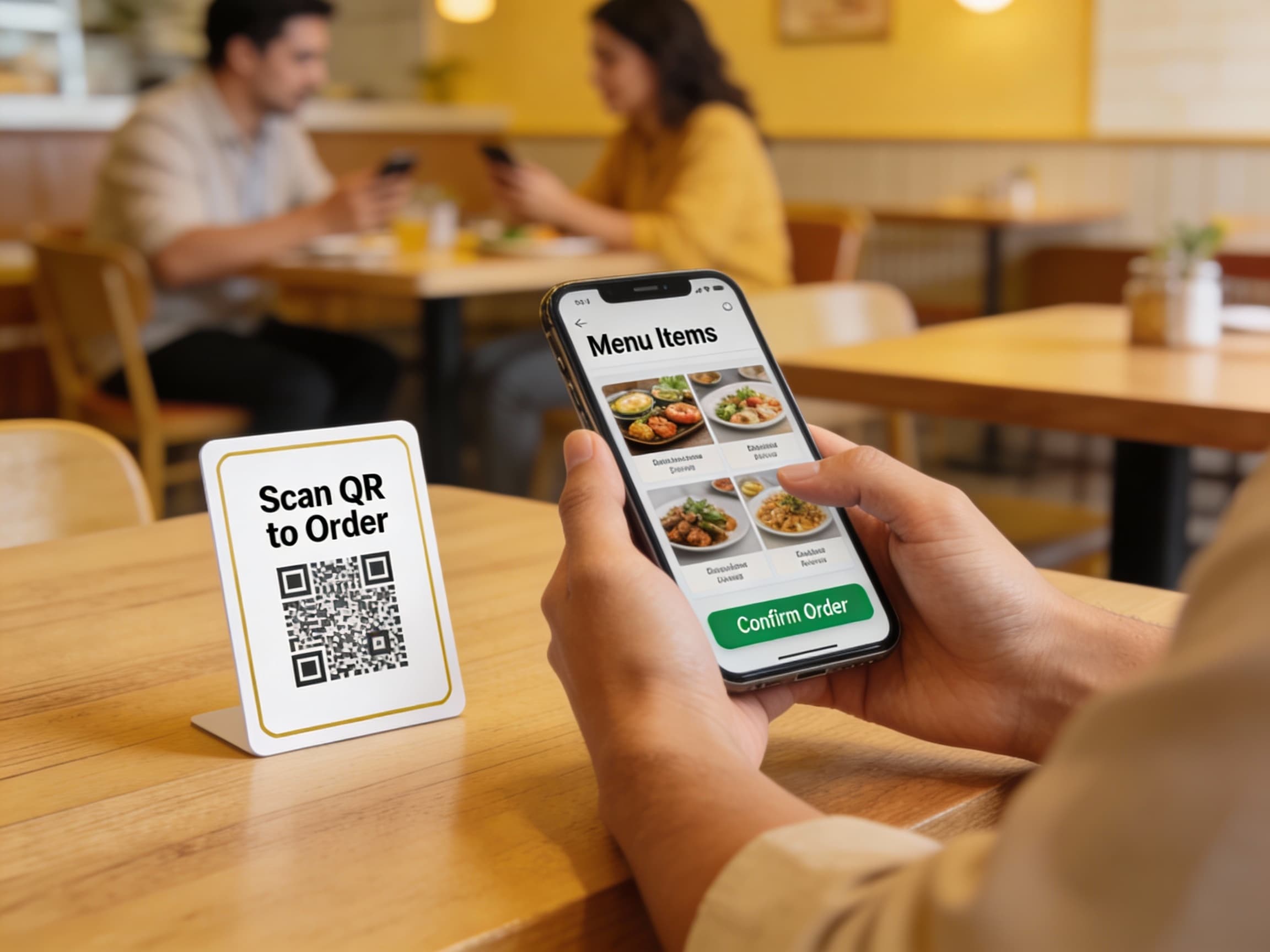
Strategies: 1. Pre-bus tables - Clear plates as soon as customers finish 2. Drop check quickly - Don't wait for customers to ask 3. Process payments tableside - Use mobile POS 4. QR code ordering - Speed up ordering process 5. Track turn times - Identify slow servers or tables
Impact: 15% faster turnover = 15% more revenue potential.
Handling Reservations vs. Walk-Ins
Balance reservations and walk-ins for maximum revenue.
Best Practices: - Reserve 60-70% of tables for reservations - Leave 30-40% for walk-ins - Adjust based on day of week and time - Use waitlist for overflow - Call ahead seating options
Impact: Balanced approach maximizes revenue throughout service.
Special Occasions and VIPs
Track special occasions to enhance guest experience.
Features: - Birthday tracking - Anniversary reminders - VIP status - Preferred tables - Special requests
Impact: Special occasion recognition increases repeat visits by 25-35%.
Reporting and Analytics
Data helps you optimize table management.
Key Reports: - Turn time by time period - Revenue per table - Server performance - Reservation vs. walk-in revenue - Peak hour analysis
Impact: Data-driven decisions improve revenue by 10-15%.
Mobile Table Management
Manage your floor from anywhere.
Benefits: - Update table status on the go - Check reservations remotely - Monitor waitlist from phone - Real-time floor visibility - Remote management
Impact: Mobile access increases manager efficiency by 20-30%.
Getting Started
1. Map your floor plan - Create digital floor plan 2. Set table capacities - Define party sizes per table 3. Assign server sections - Balance workloads 4. Train staff - Ensure everyone uses the system 5. Monitor performance - Track metrics and optimize
Common Mistakes to Avoid
Mistake 1: Not updating table status Solution: Make status updates mandatory and easy.
Mistake 2: Poor server section balance Solution: Use system to balance sections automatically.
Mistake 3: Ignoring data Solution: Review reports weekly and make adjustments.
Mistake 4: Overbooking reservations Solution: Leave buffer for longer tables and no-shows.
Mistake 5: Not training staff Solution: Comprehensive training ensures system adoption.
Measuring Success
Key Metrics: - Average turn time: Target 60-90 minutes for full service - Revenue per table: Track and compare by server - Wait time: Target under 15 minutes during peak - Reservation show rate: Target 80-85% - Table utilization: Target 85-90% during peak hours
Next Steps
Ready to optimize your floor? Tableside's table management system provides real-time floor control, reservation management, and analytics to help you increase revenue and improve guest experience.